
The Role of Luck in Gambling
Luck is often celebrated as a primary factor in the world of gambling, particularly in casino settings. Players engage in various games, from slots to poker, where the outcome frequently seems to hinge on mere chance rather than strategy or skill. For instance, when one spins the reels of a slot machine, the random number generator determines the outcome, emphasizing the randomness inherent in such games. Many players enjoy the thrill of the game, especially when they look for ways to maximize their chances, such as through a casino rocket sign up that offers bonuses and promotions. Ultimately, while strategies can enhance a player’s experience, it is the element of luck that creates the most memorable wins.
Furthermore, the unpredictable nature of luck adds an exciting thrill to gaming. While some may argue that skill can influence results in games like blackjack or poker, where strategy plays a key role, luck still holds sway over the cards dealt and the moves made by other players. This dynamic creates a captivating environment where players are constantly at the mercy of fortune, making every session unique. The allure of potentially winning big keeps players returning, hoping their luck will turn in their favor.
Moreover, the psychology of luck in gambling cannot be overlooked. Many players develop personal beliefs or rituals that they associate with good fortune, such as wearing lucky clothing or playing at certain times. These beliefs can lead to a strong emotional connection with the game, illustrating how luck is not just a random occurrence but also a psychological aspect of the gaming experience. The interplay between belief and luck can significantly shape a player’s approach to gambling, further entrenching them in the casino culture.
The House Edge and Probability
Understanding the concept of the house edge is crucial for any casino player. This term denotes the mathematical advantage that a casino holds over players in the long run, ensuring the establishment’s profitability. While a player’s luck may lead to a big win in the short term, the house edge statistically guarantees that over time, the casino will earn more than it pays out. This reality often leads to the belief that luck can significantly influence outcomes, particularly when players experience occasional winning streaks.
Probability also plays a vital role in shaping a player’s expectations. Each game in a casino has its own odds, influencing how outcomes are perceived and experienced. For instance, in a game like roulette, players might believe they have a fair shot at winning, but the odds are skewed in favor of the house, particularly when considering the addition of the green zero on the wheel. This mathematical reality means that despite lucky moments, players are ultimately working against probabilities that favor the casino.
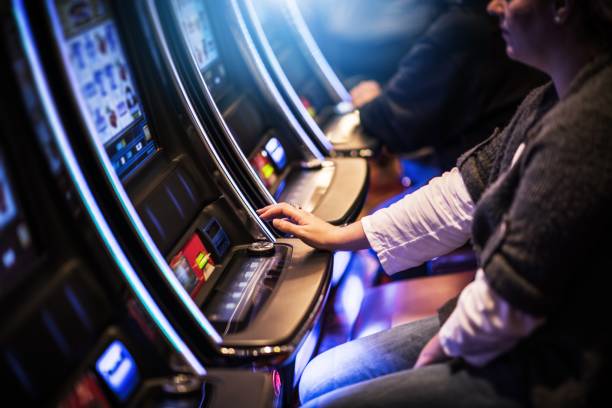
Moreover, this relationship between luck and the house edge can create a false sense of security for players. When individuals win in games with a high house edge, it reinforces the belief that luck is the defining factor behind their success. Consequently, they may continue to engage in risky behaviors, increasing bets in the hope that luck will strike again. Understanding that the house advantage remains constant regardless of individual experiences can mitigate the potential for gambling-related problems and contribute to more responsible gaming habits.
Cognitive Biases and Gambling Behavior
The psychological mechanisms behind gambling often lead to misconceptions regarding luck and its influence on outcomes. One prevalent cognitive bias is the gambler’s fallacy, which occurs when players believe that past outcomes will affect future events. For example, if a player observes a slot machine not paying out for a while, they might think it is « due » for a win. This misconception misrepresents the randomness of gaming, ultimately leading to irrational betting behavior influenced by a skewed understanding of luck.
Another cognitive bias affecting gambling behavior is the illusion of control, where players believe they can influence outcomes through their choices, such as which numbers to play on a game of chance. Even in games defined by luck, like dice games, players often adopt strategies that they believe will increase their likelihood of winning. This perceived control often results in greater engagement with gambling activities, reinforcing the belief that luck can be manipulated, thus leading to more significant investments of time and money in casinos.
These biases can have profound implications for financial decision-making. Players caught in the web of cognitive misjudgments may end up investing more than they can afford, driven by the hope of a lucky break. Understanding these psychological factors is crucial for both players and those involved in responsible gambling practices. By increasing awareness of how cognitive biases can distort perceptions of luck, individuals can make more informed choices and engage with gambling in a healthier manner.
The Impact of Environment on Luck Perception
The environment of a casino plays a significant role in how players perceive luck and its influence. The vibrant lights, sounds, and atmosphere are intentionally designed to create a sense of excitement and anticipation. These stimuli can amplify feelings of luckiness, encouraging players to take risks they might avoid in quieter settings. This enhanced perception of luck can lead to prolonged play and increased spending, as players feel more connected to the possibility of winning.

Additionally, social interactions in a casino setting can also shape perceptions of luck. Players often engage in conversations with fellow gamblers, sharing stories of recent wins or near-misses. This camaraderie can create a collective belief in the presence of good luck within the casino, further fueling the desire to play. The power of social proof is evident here; when individuals see others successful, it creates a positive feedback loop, reinforcing the notion that luck can be a tangible force within the gaming environment.
Moreover, elements such as themed games can also influence how luck is perceived. Games that revolve around lucky symbols, such as four-leaf clovers or lucky sevens, can create a narrative around winning that feels more accessible to players. Casino marketing often leverages these themes, portraying luck as a significant factor in the gaming experience. Thus, the external environment not only enhances the gaming experience but also heavily influences how players view their chances of winning big at the casino.
Understanding Responsible Gaming and Luck
Amid the excitement surrounding luck in gambling, the importance of responsible gaming practices must be emphasized. Understanding that luck is an unpredictable element can help players recognize the potential risks associated with gambling. By cultivating a realistic view of luck, individuals can develop healthier habits that prioritize enjoyment over financial loss. This approach encourages players to set budgets, choose games wisely, and know when to stop playing, enhancing the overall gaming experience.
Responsible gambling initiatives also focus on education about how luck and chance operate within casino games. Many casinos offer resources and programs aimed at helping players understand the odds and the impact of luck on their gaming experiences. By empowering individuals with knowledge, these initiatives can help mitigate the negative consequences of gambling, ensuring that players engage with gambling as a form of entertainment rather than a means to earn income.
The promotion of responsible gaming is not only beneficial for individuals but for the casino industry as a whole. When players engage responsibly, it fosters a healthier gaming environment, encouraging long-term patronage. Casinos that prioritize responsible gaming practices often see a more engaged and satisfied customer base, which ultimately benefits their profitability. Thus, understanding luck’s role in the gaming realm is a shared responsibility that can lead to a more enjoyable and sustainable gambling culture.