
The Allure of Chance and Uncertainty
The fundamental appeal of casino games lies in the thrill of chance and uncertainty. This psychological aspect strikes a chord with human nature, compelling individuals to chase the unknown outcome. The unpredictability can evoke a rush of adrenaline, as players anticipate wins or experience losses. This uncertainty creates an emotional rollercoaster that keeps players returning, hoping for that elusive big win at the neosurf australia casino , where the excitement manifests in various forms, from the spin of a roulette wheel to the shuffle of cards, tapping into an innate human fascination with risk-taking.
This connection with uncertainty extends beyond mere gambling. It resonates with the human desire for control and mastery over one’s environment. People often believe they can influence outcomes through strategies, knowledge, or sheer luck. This illusion of control can foster a deeper engagement with the games, as players develop personalized strategies that they believe enhance their chances of winning. The psychological reinforcement from moments of success—no matter how small—can further entrench these beliefs, making them more likely to gamble again.
Moreover, the interplay of risk and reward is pivotal in the design of casino games. The structure of these games—from payout ratios to betting systems—is intricately designed to maintain a balance between excitement and attainable wins. This careful orchestration keeps players intrigued while also ensuring that the house maintains its advantage. The thrill of potentially winning big can often overshadow the reality of the odds, leading to a compelling experience that is hard to resist.
The Role of Emotions in Gambling Behavior
Emotions play a critical role in the gambling experience, influencing decisions and behavior in profound ways. Excitement, joy, and even frustration can heighten during gameplay, creating a powerful emotional connection to the act of gambling itself. This emotional engagement can lead to impulsive decisions, where players may continue betting in hopes of recapturing their initial excitement or offsetting previous losses. Such behavior is often referred to as being ‘on tilt’ in gaming circles, highlighting how emotions can overshadow rational decision-making.
Feeling a sense of joy when winning can trigger the release of dopamine, a neurotransmitter associated with pleasure and reward. This reaction reinforces the behavior, making players more likely to return for more. The emotional highs and lows associated with gambling can create a cycle of chasing that next win, as players seek to replicate those feelings of euphoria. Conversely, losses can generate feelings of frustration or anxiety, prompting individuals to gamble further in an attempt to reclaim their losses, a phenomenon often referred to as loss chasing.

Furthermore, casinos are designed to evoke specific emotional responses. From the vibrant lights to the sounds of spinning reels, every aspect of the environment is meticulously crafted to enhance excitement and engagement. This immersive experience can drown out rational thought, drawing players deeper into their emotional states. As a result, individuals may find it challenging to disengage from the games, even when faced with the reality of financial losses or negative consequences arising from their behavior.
The Impact of Social Interactions in Casinos
The social aspect of casino gaming cannot be overlooked; it significantly affects a gambler’s experience and behavior. Many players enjoy the camaraderie that comes with gaming, whether it’s at a table surrounded by friends or a lively slot machine area where strangers exchange stories. This social interaction can enhance enjoyment, making the experience feel more gratifying. The shared excitement during a win or even the collective groans during a loss can foster a sense of belonging and community among players.
Moreover, the presence of fellow gamblers can alter individual behavior. Many players are influenced by the actions of others, which often leads to herd behavior. If a player witnesses others winning, it can evoke a stronger desire to join in, perpetuating a cycle of increased betting. This psychological phenomenon is rooted in the notion of social proof, where individuals look to the behavior of others as a guide for their own actions. In a casino environment, this can amplify both the thrill and the risk, as the collective energy encourages bolder decisions.
Additionally, casinos often incorporate elements such as tournaments and competitive events that further exploit social dynamics. These settings foster healthy competition and can lead to escalated betting behaviors as players compete for prizes or recognition. In this context, the psychological lure of social status can compel individuals to take greater risks. This interconnectedness of social interaction and gambling behavior paints a complex picture of how psychology fuels the casino experience, making it both an individual and communal affair.
The Design of Casino Games and Environment
The environment of a casino and the design of games are meticulously crafted to influence player behavior. Casinos use a variety of psychological techniques to create a space that promotes gambling. For instance, bright colors, rhythmic sounds, and strategically designed layouts are all intended to stimulate the senses and enhance excitement. Additionally, the absence of clocks and windows creates a disorientation effect, making it easier for players to lose track of time while engrossed in the games.
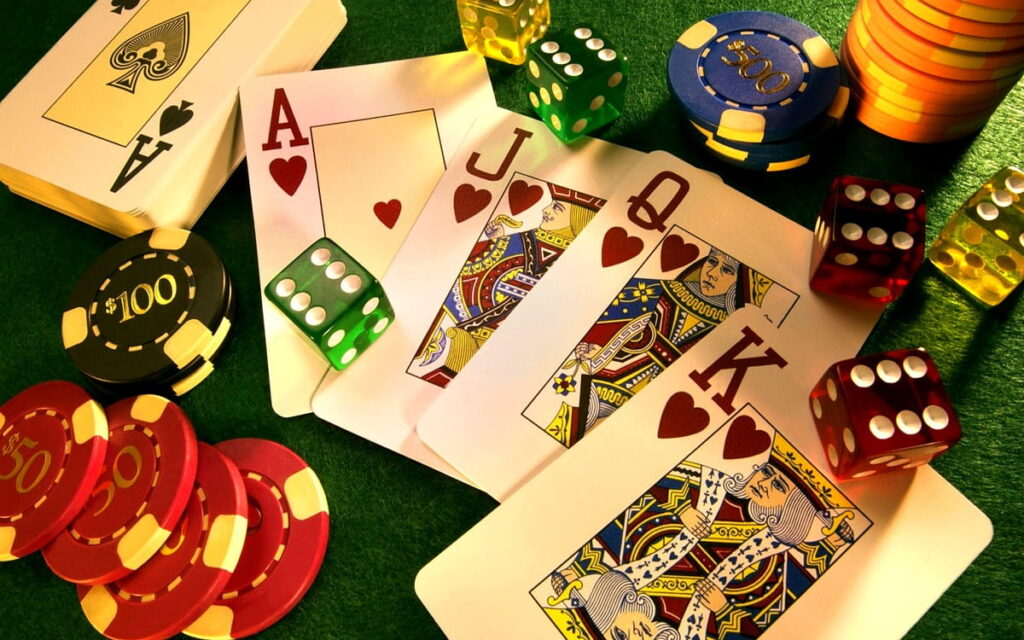
Game design also plays an essential role in player engagement. Many games are structured to reward participants frequently, albeit with smaller payouts, which serves to reinforce continued play. This intermittent reinforcement creates a cycle of anticipation, where players remain hopeful of hitting a significant jackpot. By engineering a sense of progression and achievement—sometimes even through visual cues like spinning wheels or animated graphics—developers can evoke a desire to keep playing in hopes of further rewards.
Moreover, the use of loyalty programs and bonuses can psychologically bind players to a casino. Such initiatives often involve earning points for continued play, which can be redeemed for various rewards. This incentivization cultivates a sense of commitment and loyalty, making it difficult for players to walk away. The strategic combinations of game design and environmental cues lead to an immersive experience that entices players to gamble continuously, deepening their emotional and psychological investments in the games.
Understanding Responsible Gaming and Awareness
As the popularity of casino games grows, so does the importance of understanding responsible gaming. Recognizing the psychological dynamics at play is essential for both players and casino operators. Promoting awareness about the potential risks associated with gambling is vital for ensuring that players engage in a healthy manner. Responsible gaming initiatives often emphasize setting limits, self-exclusion programs, and providing resources for those struggling with gambling-related issues.
Additionally, fostering an understanding of the psychological effects of gambling can empower players to make informed decisions. Education on how emotions, social influences, and environmental factors can impact gameplay can help individuals develop a more critical approach to their gambling habits. This awareness can prompt players to recognize the signs of excessive gambling and seek help before the situation escalates.
Casinos can also play a proactive role by creating an environment that encourages responsible gaming. This includes training staff to recognize problematic behaviors, offering resources for support, and implementing practices that promote moderation among players. By prioritizing responsible gaming, casinos can create a safer and more sustainable gaming environment that respects the psychological complexities of gambling while still providing entertainment.