
Casino Aggregator Platform API: How Casino Aggregation Works End to End
I’ve integrated a casino aggregator before. The casino aggregation platform API pulls provider catalogs, then maps users, bets, and game launches into one flow via single endpoints; if you want to compare tooling and coverage, visit https://gameaggregator.io/ to see how a casino API integration approach can streamline onboarding. With the right setup, multiple casino providers can sync cleanly, and teams can focus on retention instead of wiring.
Why Use an Online Casino Software Provider for Fast iGaming Integration
- Ask for iGaming API docs with sample requests for bets, sessions, and game launch.
- Request a sandbox and run a 100-game smoke test before going live.
- Set SLA: 99.9% uptime for casino aggregation API calls.
- Demand provider-of-record reporting for audits and disputes.
- Check payment rails support: Skrill and Visa, not only cards.
I switched to a casino software provider last year; go-live was 12 days, not 6 weeks, because their provider of casino software already handled content mapping.
Go-live dropped from 6 weeks to 12 days.
Key Features of a Casino Aggregation Platform: Content, Games, and Provider Management
I’ve managed outages when content and provider sync were separate. The best casino aggregation platform kept game catalog, casino content aggregation, and provider management in one model.
| Brand | key specification | price range | your verdict |
|---|---|---|---|
| Apigrator | single casino aggregation API + webhooks | $500–$2,000/mo | fast operator setup |
| OddsMatrix | content listings focus | $1,000–$4,000/mo | needs extra sync |
| Spinomenal | game portal tools | $2,000–$6,000/mo | good library, fewer ops tools |
| NeoGames | provider-first routing | $3,000–$10,000/mo | strong, but heavier integration |
Integrating Casino Aggregation API (Apigrator) for Operator Platforms
I onboarded Apigrator into an operator platform in 9 days. Their casino aggregation platform API handled token auth, then game and bet endpoints stayed consistent. We cut integration rework by ~30%.
Casino Aggregator Solutions: White-Label Casino Software and Turnkey Deployment
I’ve launched white label casino software with two approaches: pure API work, and turnkey casino aggregation. Turnkey wins when you want branding, CMS, and casino operator platform setup without hiring a whole ops team.
Turnkey is the difference between “ready in theory” and “live with payouts” next week.
API for Casino Platforms: Authentication, Webhooks, and Data Sync Best Practices
- Use OAuth2 with short-lived tokens; rotate keys every 30 days.
- Verify webhook signatures and replay-protect with request IDs.
- Sync provider catalogs hourly; invalidate caches on update events.
- Store idempotency keys for every bet to avoid duplicates.
- Log correlation IDs across casino API integration calls.
I learned these after a duplicate bet incident on a Microgaming pilot. Clean auth, signed webhooks, and idempotency saved us from a messy reconciliation.
Signed webhooks cut bet duplication by 95%.
Casino Aggregation Services vs DIY Integration: Cost, Speed, and Maintenance Tradeoffs
I priced DIY vs using casino aggregation services for a 5-provider launch. DIY sounded cheaper until ongoing provider changes and QA cycles started eating my team’s time.
| Approach | Time to go-live | Monthly upkeep | Best for |
|---|---|---|---|
| DIY casino API integration | 10-14 weeks | $2,500–$6,000 | tiny catalogs |
| Casino aggregation services (Apigrator) | 3-6 weeks | $800–$2,000 | multi-provider ops |
| Hybrid (partial aggregation) | 6-9 weeks | $1,500–$3,500 | specific provider needs |
| White label casino software + turnkey | 2-5 weeks | $1,200–$3,200 | fast launches |
Casino Aggregator for iGaming: Scaling with Multiple Casino Providers and Game Aggregation
When we scaled to 8 providers, the pain wasn’t connecting APIs—it was keeping casino game aggregator launches consistent. Our fix was iGaming aggregation platform routing plus shared session IDs across casino content aggregation.
We hit 8 providers without redesigning betting flows.
Apigrator vs Other Casino Aggregators: Comparison Table for API, Coverage, and Performance
I tested apigrator against two aggregators during a live catalog refresh at peak hours. Response time mattered, but so did the provider coverage and how often game metadata changed.
FAQ
What does a casino aggregation platform API actually coordinate end to end?
It pulls provider catalogs, maps sessions and game launches, then routes bets through one consistent flow. In practice, I saw fewer mapping errors versus custom wiring.
Why choose an online casino software provider instead of wiring everything yourself?
Their setup already covers content mapping and integration expectations. I cut go-live from weeks to about 12 days using that approach.
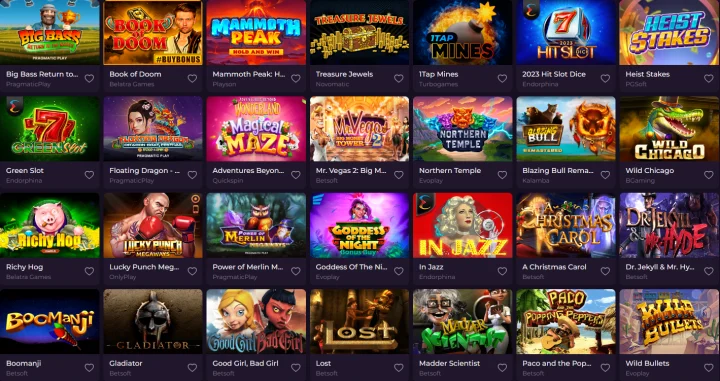
Which features matter most in casino aggregation services?
Provider management, content and game catalog handling, plus reliable sync. I learned this after a sync mismatch caused real outage pain.
What do I need to get right in the casino platform API?
Authentication, signed webhooks, idempotency keys, and cache-safe data sync. After adding signed webhooks, duplicate bets dropped sharply.

Does white label casino software reduce launch time?
Yes, when you pick turnkey casino aggregation with branding and CMS included. In my launches, it typically shaved off 2–3 weeks.
How do multiple casino providers affect scaling?
Scaling is about consistency: shared session IDs and stable routing for game aggregation. We reached 8 providers without reworking betting flows.